πŸŽ“ Apply for Admission
Home β€Ί Academics β€Ί Teaching Methodology

Teaching Methodology at Vidya Niketan

How we teach is just as important as what we teach. Explore the pedagogical principles, classroom strategies, and learning frameworks that define the Vidya Niketan approach to education.

Child-First
Every Method, Every Lesson
6
Core Teaching Strategies
Smart
Technology-Integrated Classrooms
20+
Years of Teaching Excellence
Our Philosophy
Teaching That Inspires, Not Just Instructs

At Vidya Niketan, we believe that a teacher's role is not simply to deliver information β€” it is to ignite curiosity, model thinking, and guide each student toward becoming an independent, confident learner. Our teaching methodology is built on decades of experience, educational research, and a deep understanding of how children learn best.

We combine time-tested pedagogy with modern, research-backed strategies to create classrooms where every student is seen, challenged, and supported. The goal is not just academic success β€” it is the lifelong love of learning.
Learner-Centred
Every strategy begins with the student β€” their needs, pace, and learning style.
Inquiry-Driven
We cultivate curious minds that question, hypothesise, and discover.
Evidence-Based
Methods chosen from research-backed educational frameworks, not trends.
Growth-Oriented
We celebrate effort and progress, fostering a powerful growth mindset.
"Tell me and I forget. Teach me and I remember. Involve me and I learn." β€” Benjamin Franklin
Classroom Practice
Six Core Teaching Strategies

Every classroom at Vidya Niketan operates on a set of well-defined teaching strategies, adapted by our teachers to suit the subject, grade, and students they work with. These are not rigid rules β€” they are a flexible toolkit that our faculty have mastered over years of practice.

🎯
Explicit Instruction
Teachers clearly model new concepts through worked examples, think-alouds, and step-by-step demonstrations. Students always see the "expert process" before attempting independently.
πŸ”
Spaced Repetition & Retrieval Practice
Concepts are revisited across weeks and terms β€” not crammed before exams. Regular low-stakes quizzes, oral reviews, and revision exercises strengthen long-term retention.
🀝
Collaborative Learning
Pair work, group discussions, and peer teaching are built into lesson plans across all classes. Students learn to communicate ideas, listen actively, and respect different perspectives.
❓
Socratic Questioning
Rather than simply delivering answers, teachers ask probing questions that guide students to construct understanding themselves β€” deepening comprehension and critical thinking.
πŸ”¬
Experiential & Lab Learning
From science labs to field visits to model-making, students experience learning first-hand. Concrete experiences build richer understanding than text alone ever could.
πŸ“Š
Formative Feedback
Assessment is not just end-of-term. Teachers provide continuous, specific, actionable feedback so students can self-correct and grow in real time β€” not after it's too late.
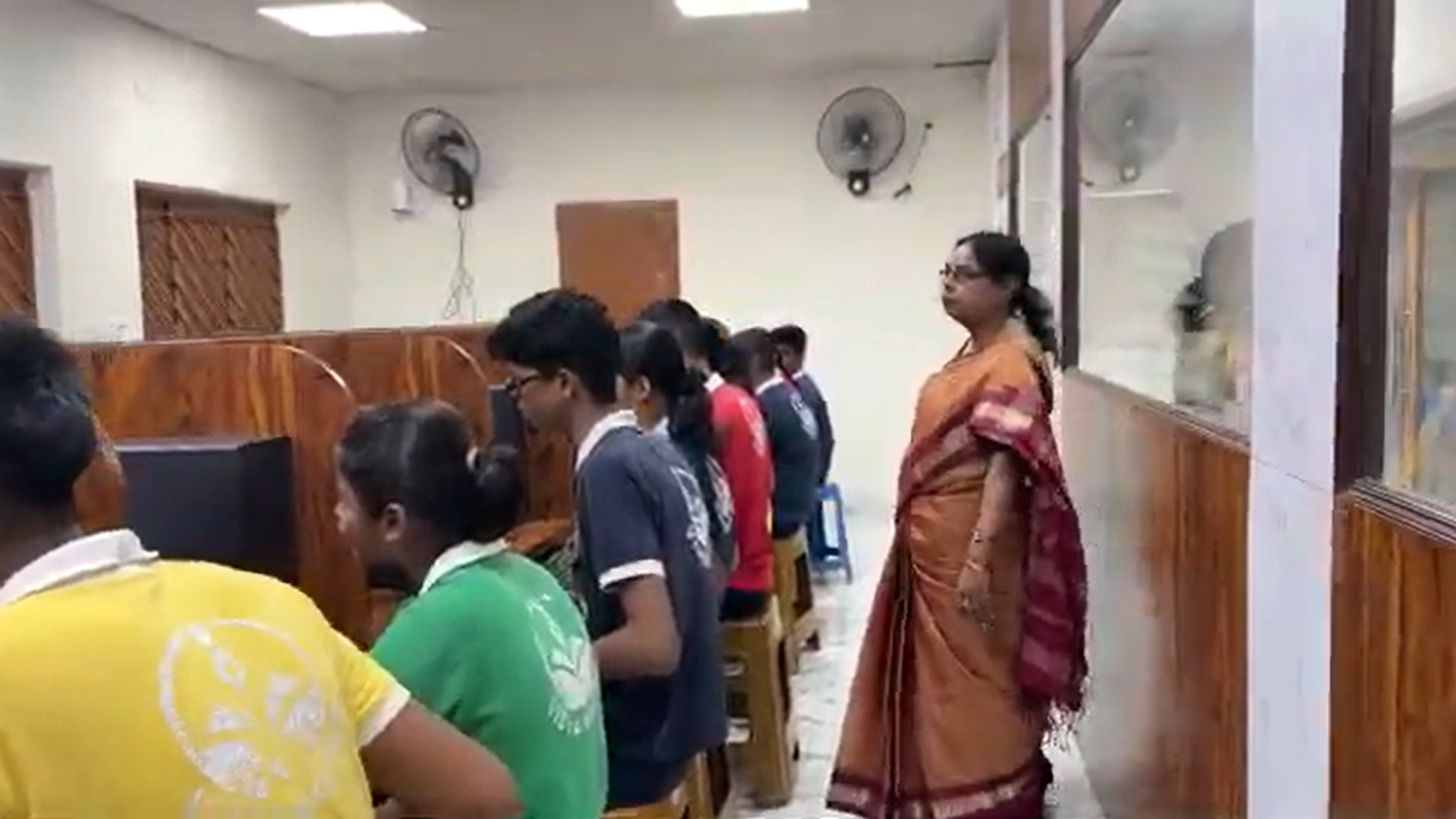
Teacher with students in classroom
  • Differentiated instruction for varied learning abilities
  • Regular teacher training and pedagogical workshops
  • Weekly lesson reviews and peer observations among staff
  • Students encouraged to question openly without fear
  • Cross-subject connections highlighted across disciplines
Adapted by Stage
How Teaching Evolves Across Classes

Our methodology is not one-size-fits-all. As students grow, the nature of teaching evolves β€” from play and exploration in early years to deep analytical rigour in senior secondary. Here's how our approach adapts at each stage.

1
Pre-Primary: Play-Way Method
All learning is through guided play, sensory activities, storytelling, and creative expression. Children develop language, social skills, and curiosity in a warm, structured environment without formal instruction.
2
Primary: Activity-Based Instruction
Concrete materials, group activities, and interactive lessons make abstract concepts tangible. Reading aloud, hands-on maths, and theme projects connect learning to real life and build genuine understanding.
3
Middle School: Inquiry & Analysis
Students transition into disciplined inquiry. Formal science experiments, structured debates, map work, and analytical writing develop the rigour and independence needed for secondary board courses.
4
ICSE (IX–X): Exam-Smart Depth
Board preparation is systematic. In-depth concept teaching is paired with timed practice, past-paper analysis, and written expression training. Students develop accuracy, speed, and subject mastery simultaneously.
5
ISC (XI–XII): University-Ready Learning
Specialised stream teaching, seminar-style discussions, lab practicals, extended projects, and career-oriented counselling prepare students to excel in university and beyond. Critical thinking is paramount.
6
Across All Stages: Values in Teaching
Every lesson carries an underlying ethical dimension β€” respect, honesty, empathy, and civic responsibility are modelled by teachers and woven into classroom culture at every level of the school.
"A great teacher doesn't just explain the subject β€” they make the student believe they can master it."
Learning Tools
Technology & Resources That Power Our Teaching

Effective teaching is supported by the right environment and resources. Vidya Niketan invests in modern infrastructure, digital tools, and learning resources that allow our teachers to bring every concept to life and our students to engage deeply with their learning.

πŸ“Ί
Smart Classrooms
Interactive boards, projectors, and digital lesson delivery in every classroom from Class III onwards.
πŸ”­
Science Laboratories
Fully equipped Physics, Chemistry, and Biology labs with regular practical sessions from Class VI.
πŸ’»
Computer Lab
Dedicated computer lab with internet access, coding environments, and digital literacy modules.
πŸ“š
Well-Stocked Library
Thousands of titles across fiction, non-fiction, reference books, journals, and digital reading resources.
🎨
Art & Craft Studio
Dedicated creative arts space fostering visual thinking and hand-skill development across all classes.
πŸ—ΊοΈ
Maps, Models & Realia
Physical models, charts, historical maps, and realia collections that make abstract concepts visible and tangible.
🎭
Activity Hall
Multipurpose space used for drama, presentations, assemblies, and collaborative group projects.
πŸ“‹
Assessment Platforms
Structured assessment tools for tracking progress, identifying learning gaps, and personalising support.
Our Educators
Trained Teachers, Inspired Classrooms

The quality of education can never exceed the quality of its teachers. Vidya Niketan's faculty are carefully selected for their subject expertise, communication skills, and genuine passion for working with young people. But selection is only the beginning.

Our teachers are continuously developed through structured professional development β€” because the best teachers are themselves lifelong learners.

Induction Training

All new faculty undergo a structured orientation covering our pedagogical philosophy, classroom management, CISCE syllabus requirements, and Vidya Niketan's culture and values before they teach their first class.

Ongoing Professional Development

Monthly in-house workshops, external seminars, and peer observation sessions ensure our teachers stay current with best practices in education and subject-specific developments.

Mentoring & Peer Review

Senior faculty mentor newer teachers in a collaborative culture of shared learning. Classroom observations and constructive feedback are normalised across the school β€” for teachers, just as for students.

  • Faculty qualified in education (B.Ed. / M.Ed.) and subject domains
  • Annual pedagogy review and goal-setting with the academic leadership
  • Student feedback incorporated into teacher development
  • Low teacher turnover β€” experienced, committed educators
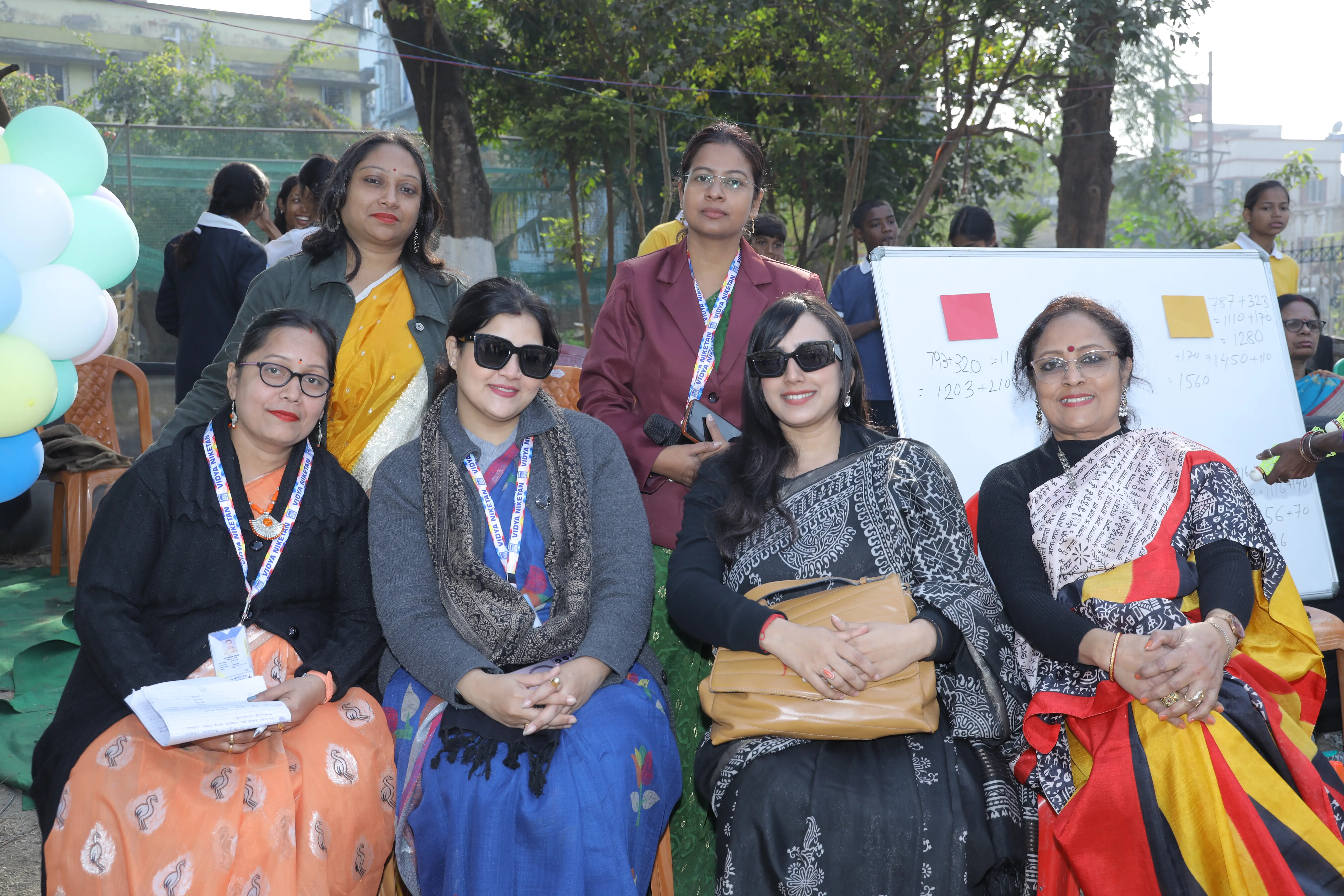
Teacher professional development session
What Makes Us Different
Our Distinctive Pedagogical Commitments

Beyond general strategies, there are specific commitments that define how Vidya Niketan approaches teaching at an institutional level β€” promises we make to every student and family who joins us.

πŸ§’
No Child Left Unnoticed
With controlled class sizes and dedicated attention, every student is known personally by their teacher β€” their strengths, struggles, and learning style. Anonymity has no place here.
πŸ“–
Reading Across the Curriculum
We cultivate strong readers in every subject β€” not just English. Science reports, historical documents, mathematical word problems, and geographic texts all demand and develop reading fluency.
✍️
Writing as Thinking
Students write across subjects β€” not just in English. Essays, lab reports, project logs, and reflective journals develop the ability to organise thought and express ideas with clarity and precision.
🌍
Real-World Connections
Teachers constantly connect syllabus content to current events, local issues, and everyday life. Students see that what they study in class is not separate from the world they live in.
🧘
Psychological Safety First
Students learn best when they feel safe to ask, fail, and try again. Our teachers are trained to create classrooms where mistakes are learning opportunities, never sources of shame.
πŸ…
Celebrating Multiple Intelligences
We recognise that students are gifted in different ways β€” analytically, creatively, physically, socially. Our programme creates opportunities for every kind of intelligence to shine and be celebrated.
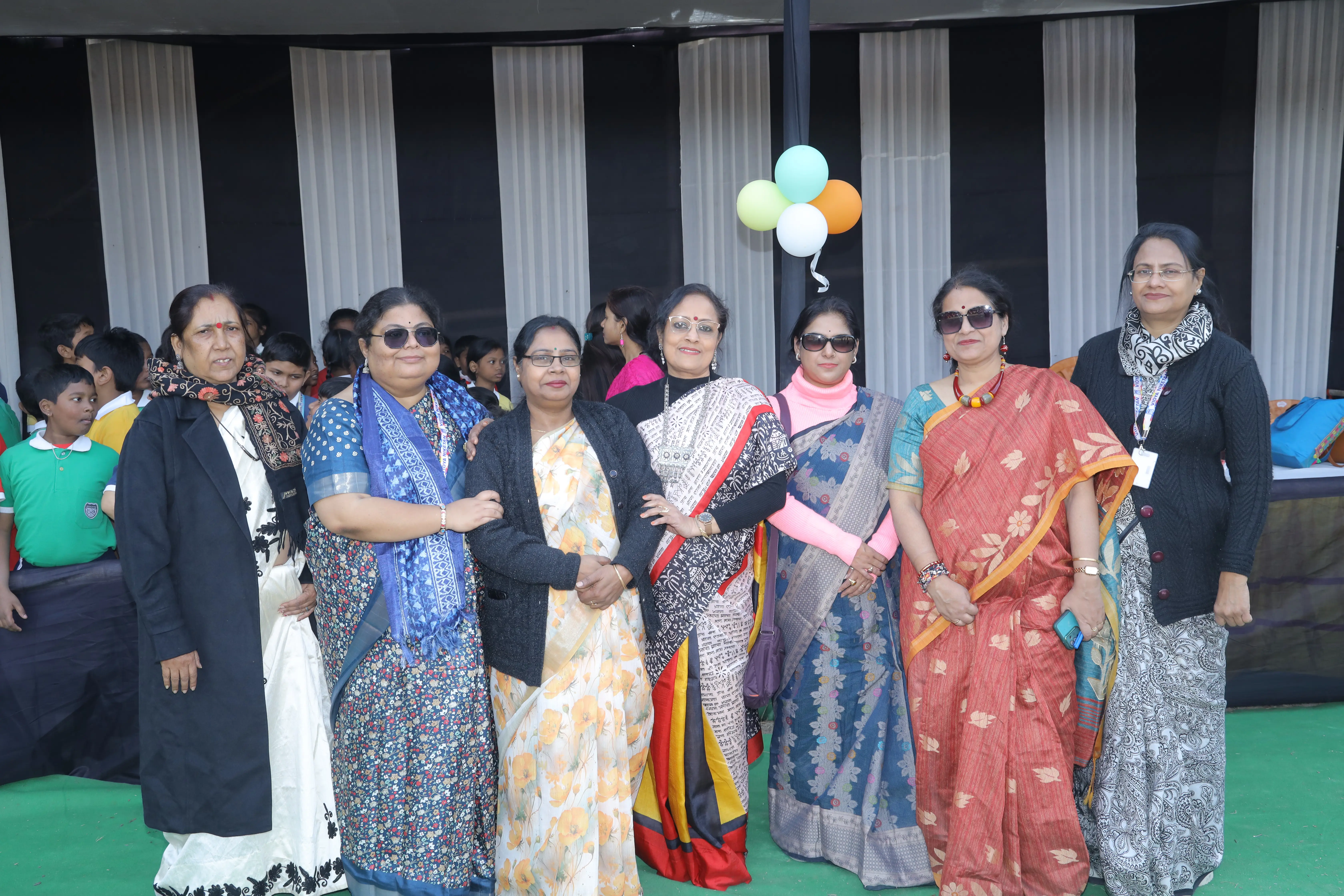
Parent Teacher Meeting at school
Partnership in Learning
Parents as Active Learning Partners

Great teaching does not end at the school gate. Vidya Niketan believes that parents are essential partners in education β€” and we actively work to keep families informed, involved, and empowered to support learning at home.

We communicate openly, involve parents in meaningful ways, and provide guidance on how to reinforce learning in the home environment β€” because the partnership between school and family is one of the most powerful factors in a child's educational success.

Parent-Teacher Meetings (PTMs)

Scheduled every quarter, PTMs are structured, meaningful conversations β€” not just report handovers. Teachers discuss learning progress, strategies, and specific action plans for each student.

Progress Reports & Communication

Detailed written reports are shared each term. In addition, teachers remain accessible for concerns via formal communication channels maintained by the school office.

Parenting & Learning Workshops

We periodically host workshops for parents on supporting reading at home, managing exam stress, digital wellness, and understanding the CISCE curriculum β€” so families can walk alongside their children with confidence.

See It In Action
Experience the Vidya Niketan Classroom

The best way to understand our teaching methodology is to see it for yourself. We invite prospective families to schedule a school visit, sit in on a class interaction, and speak with our faculty directly. Our academic team is happy to answer any questions about our approach to learning.

WhatsApp Notice Pay Fees

Vidyaniketan AI Assistant

Ask me anything about our school

Hello! πŸ‘‹ I'm the Vidyaniketan AI Assistant. I can help you with information about our school, academics, admissions, fees, and more. How can I assist you today?